Reward Integration Strategies in Mobile Environments Combining Live Dealer Experiences and Sports Betting Options Using Multiple Payment Solutions
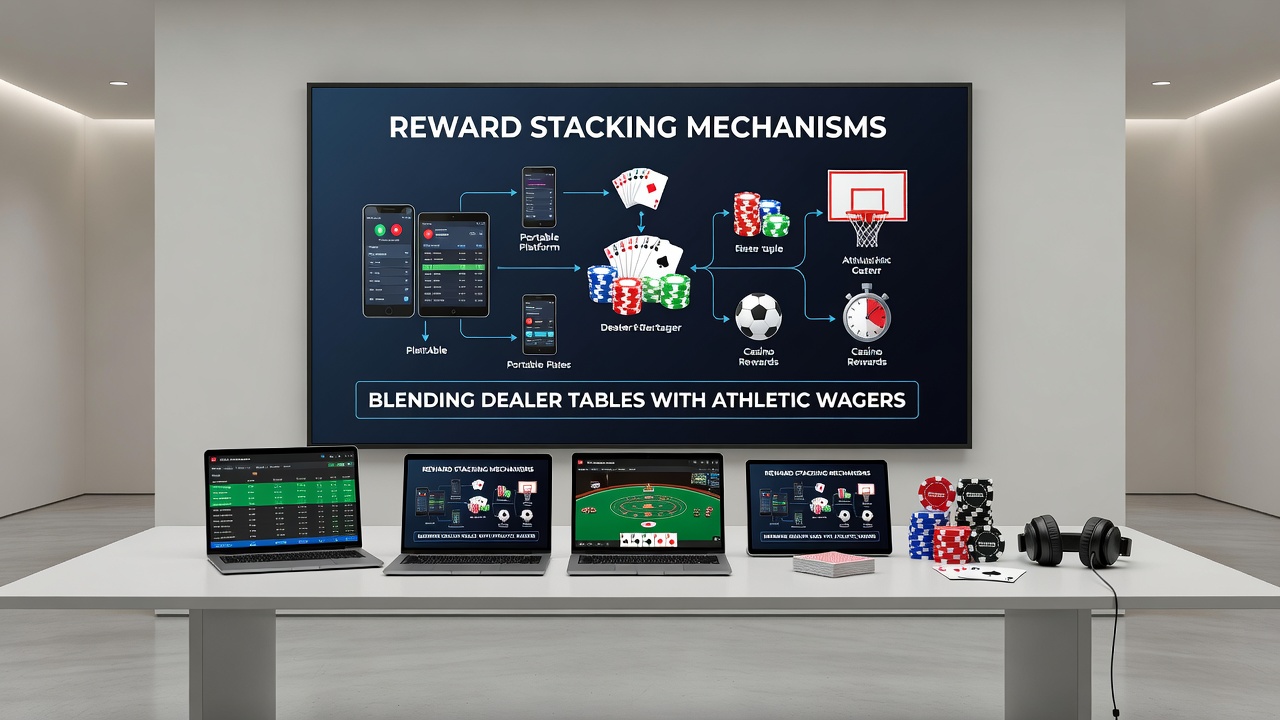
Platforms across portable devices have developed systems that allow users to accumulate rewards from live dealer tables and athletic wagers within single accounts, and these mechanisms rely on coordinated transaction channels to track activity across game types. Data from regulatory bodies in multiple regions shows operators structuring loyalty programs where points earned at roulette or blackjack tables convert directly into credits applicable for in-play sports markets. Such integration appears in applications that support both real-time card game streams and event-based betting interfaces.
Core Components of Reward Accumulation
Operators design point systems where activity at dealer tables generates base multipliers that apply to subsequent athletic wagers, while separate bonuses from sports outcomes feed back into table credit pools. Transaction channels including digital wallets, bank transfers, and certain cryptocurrencies record each action with timestamps that feed into a unified ledger. According to reports issued by the American Gaming Association, cross-category tracking now covers more than 60 percent of mobile accounts in monitored markets as of mid-2026. Users complete a deposit through one channel, place a table bet, then switch to a live match without separate balance transfers because backend software merges the data streams.
Studies conducted by research teams at the University of Nevada Reno indicate that stacking occurs when thresholds are met within defined windows, such as 24-hour cycles or weekly resets. One documented case involved a platform where 50 table spins unlocked a 10 percent boost applied automatically to soccer or tennis selections. The same study noted that versatile payment options reduce friction because instant confirmations allow rewards to activate before the next session begins.
Transaction Channel Coordination
Payment processors handle inflows and outflows while tagging each movement with category identifiers that the reward engine reads. E-wallets process table buy-ins faster than traditional cards in many implementations, and this speed lets accumulated points post before sports events conclude. Industry data compiled by the Australian Communications and Media Authority reveals that platforms using at least three distinct transaction types see higher cross-activity rates than those limited to single methods. Observers note that when a user funds an account via cryptocurrency, switches to a live dealer session, then places an athletic wager, the system logs each step under one profile identifier without requiring manual conversion steps.
Examples from Current Deployments
Take one operator that launched a combined interface in early 2026 where blackjack outcomes feed a meter visible during football matches. Players who reach meter milestones receive enhanced odds on selected athletic markets, and the enhancement draws from the same balance used at the tables. Another deployment links roulette results to basketball prop bets through a shared progress bar that updates after every transaction confirmation. These setups depend on application programming interfaces that connect game servers to payment gateways so reward eligibility checks occur in real time.
Technical Requirements for Seamless Blending
Backend databases must store activity flags that distinguish table play from sports outcomes while allowing combined totals for bonus calculations. Developers implement rules engines that evaluate conditions such as minimum stake amounts or session durations before releasing stacked rewards. Reports from Canadian provincial regulators show that platforms meeting these technical standards report lower user drop-off rates between game categories. When transaction channels support near-instant settlement, the interval between earning points at a dealer table and applying them to an athletic wager shrinks to seconds rather than hours.
Security protocols require encryption of both gameplay and payment records so that reward histories remain tamper-proof across device switches. Analysts at the European Gaming and Betting Association have documented cases where mismatched timestamps between table sessions and sports wagers caused temporary holds on stacked benefits until verification completed. Updated protocols introduced in 2026 reduced such holds by routing all data through synchronized clocks maintained by the payment processors themselves.
Conclusion
Portable platforms continue to refine reward stacking by linking dealer table results with athletic wager outcomes through coordinated transaction channels. Regulatory data from the United States, Australia, and Canada indicates consistent growth in accounts that utilize multiple game types under unified loyalty structures. Technical standards around real-time ledgers and secure payment tagging support these integrations without requiring separate user actions for each category. As operators update their systems through 2026 and beyond, the mechanisms remain focused on accurate tracking across live dealer and sports environments.