Payment Flexibility Fuels Integration of Slot Games and Live Sports Betting
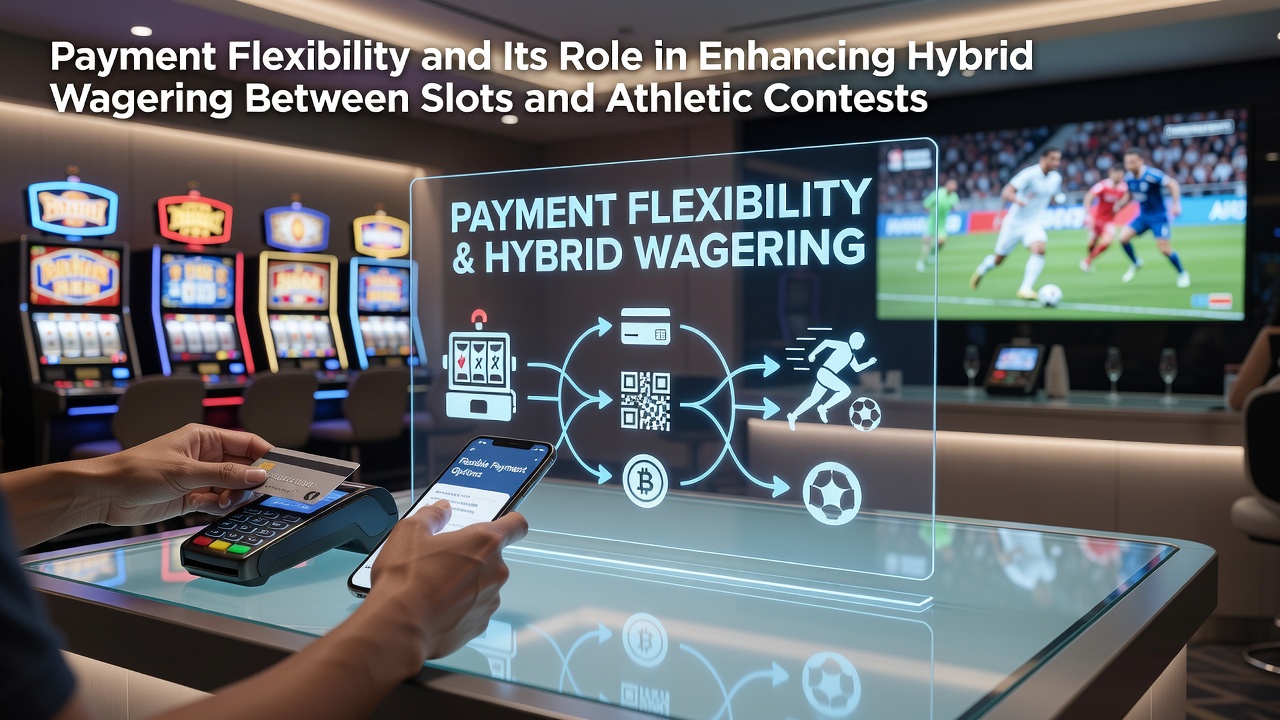
Payment flexibility has become central to how operators structure hybrid wagering environments that combine slot sessions with athletic contest bets, and platforms continue to refine transaction systems to support rapid movement between these formats. Data from industry reports indicate that users switch between game types multiple times per session when deposit and withdrawal processes require minimal steps, while slower methods correlate with lower engagement across combined offerings.
Defining Hybrid Wagering Models
Hybrid wagering refers to environments where participants place wagers on digital slot reels alongside real-time athletic events through a single account and interface. Operators integrate these features so that funds move instantly between casino-style play and sports markets without separate logins or balance transfers. Research from the European Gaming and Betting Association shows that such setups increased in adoption after 2024 as mobile infrastructure improved transaction speeds across regions. Those who study user patterns note that flexible payment rails allow participants to fund accounts via digital wallets, bank transfers, or card options and then allocate portions to either slots or sports without delay. In June 2026 several platforms reported that average session length rose when multiple payment methods supported instant top-ups during live events or bonus rounds.
How Payment Systems Enable Fluid Activity
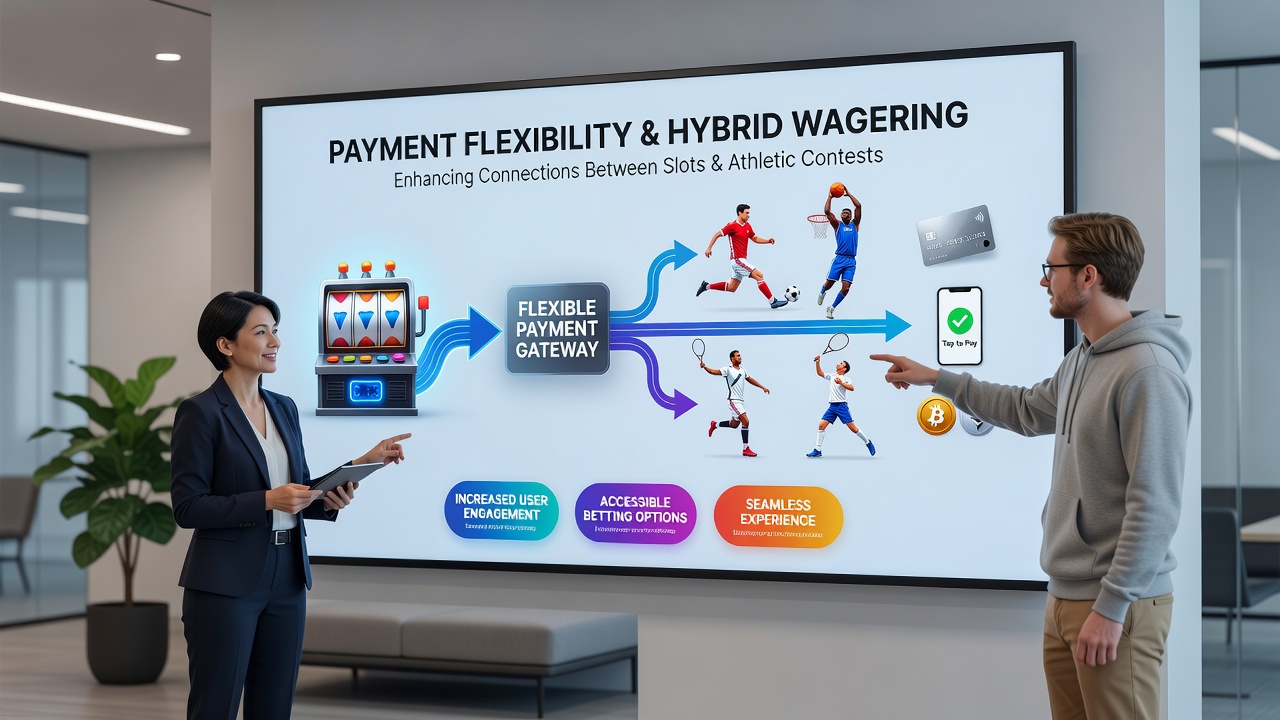
Modern payment processors handle deposits in seconds and process cashouts through the same channels, which supports uninterrupted movement between slot spins and in-play athletic wagers. Systems that accept cryptocurrencies or instant bank verification reduce friction that once forced users to pause one activity while waiting for funds to clear for another. Observers note that when withdrawal times drop below five minutes, participants maintain higher balances across both verticals rather than cashing out after a single game type. Figures from regulatory filings in multiple jurisdictions reveal that platforms offering three or more payment categories saw higher cross-category activity compared with those limited to traditional cards alone.
Industry Data on Transaction Trends
Transaction volume data collected through 2025 and into 2026 demonstrates steady growth in hybrid formats where payment speed serves as the primary driver. One study released by a North American research consortium found that operators using real-time verification processed 40 percent more combined wagers per user than those relying on batch processing methods. Platforms that introduced promotional credits tied to specific payment methods also recorded increased allocation across slots and athletic contests in the same session. These credits appear as instant balance additions, allowing immediate use without additional deposits. Analysts tracking these patterns emphasize that geographic differences exist, with faster adoption in markets where digital wallet penetration exceeds 60 percent of adult users.
Operational Adjustments by Operators
Operators have adjusted backend systems to synchronize payment gateways with both random number generators for slots and odds engines for sports. This integration ensures that a single deposit can fund either activity and that winnings from one feed directly into the other without manual intervention. Several major suppliers updated their APIs in early 2026 to support these dual-purpose ledgers. Staff training programs now include modules on monitoring payment-related player behavior across verticals, and compliance teams review transaction logs for patterns that span slot and sports activity. These operational shifts coincide with broader industry moves toward unified player accounts that treat all game types as interchangeable once funds are available.
Regional Variations in Payment Adoption
Payment preferences vary by region yet share the common thread of supporting hybrid play. Markets with strong fintech ecosystems show higher use of instant bank transfers, while others rely more on established card networks and e-wallets. Government agencies in Australia and Canada have published summaries indicating that flexible options correlate with sustained activity across casino and sports products when limits and verification steps remain consistent. Data released in mid-2026 highlighted that jurisdictions permitting a wider array of payment partners experienced measurable increases in cross-vertical wagering volume during major athletic tournaments. These reports avoid prescribing specific methods and instead document observed outcomes tied to transaction speed and variety.
Conclusion
Payment flexibility continues to shape how hybrid wagering between slots and athletic contests operates by removing barriers that previously separated the two activities. As systems evolve, transaction data through 2026 shows consistent patterns where faster, multi-option payments support longer and more varied sessions across both formats. Industry participants monitor these developments through ongoing reporting from regulatory bodies and research organizations to maintain alignment with observed user behavior.