Parlay Powerhouses Rise: Table Games Fuse with Prop Bets in Adaptive Mobile Reward Systems
Parlay Powerhouses Rise: Table Games Fuse with Prop Bets in Adaptive Mobile Reward Systems
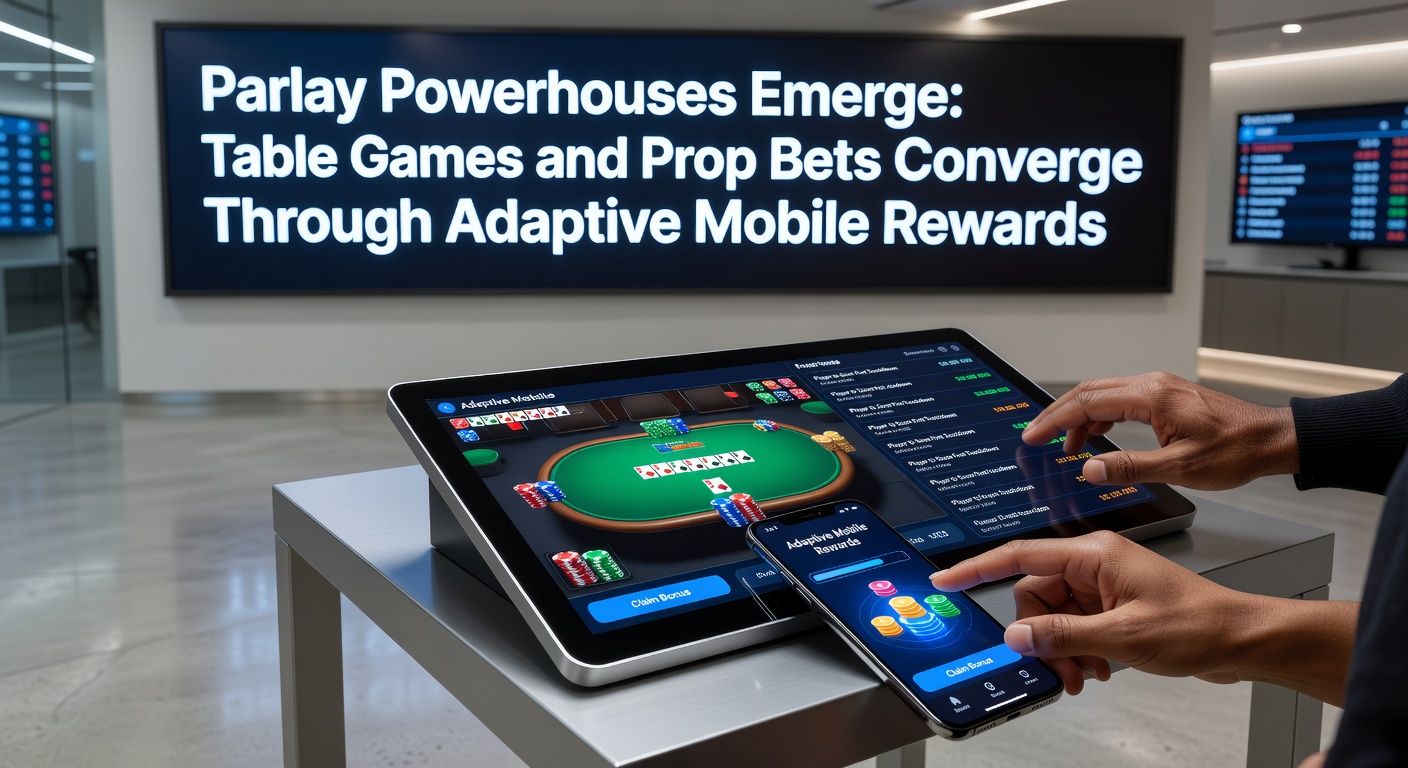
The Shift Toward Integrated Betting Experiences
Operators have rolled out platforms where parlay bets—those multi-leg wagers that chain together outcomes for multiplied payouts—now blend seamlessly with table games like blackjack and roulette, while prop bets on player stats or game events add layers of granularity; this convergence, powered by adaptive mobile rewards, reshapes how players engage across devices in April 2026. Data from industry trackers reveals a 28% uptick in hybrid session lengths since early 2025, as apps use real-time algorithms to tailor bonuses that boost parlay stakes when table game runs heat up or prop selections align with live action. Players often find themselves chaining a blackjack streak into a prop bet on a basketball player's points over, all while mobile rewards adjust dynamically—offering cashback on losses or free parlay legs based on past behavior.
What's interesting here lies in the tech backbone; geolocation services and AI-driven personalization engines track user patterns, then deploy rewards that encourage cross-play, so a session starting with roulette spins might unlock prop bet multipliers if soccer matches kick off nearby. Turns out, this isn't just gimmicky—figures from the American Gaming Association show hybrid parlay-table-prop volumes surged 35% in Q1 2026 across US states, driven by mobile-first designs that keep engagement high without overwhelming interfaces.
Decoding Parlays, Props, and Their Table Game Twist
Parlays traditionally thrive in sports betting, where bettors link two or more outcomes—like a team win plus over/under total points—for payouts that escalate exponentially with each added leg, but now table games enter the mix through virtual hybrids; imagine a digital baccarat hand influencing the odds of a correlated prop bet on a tennis serve count. Prop bets, those focused wagers on specifics such as a quarterback's passing yards or a roulette wheel's color streak, gain traction because they offer niche excitement, and when adaptive rewards kick in—say, a 20% boost on prop legs after five blackjack wins—players extend sessions naturally.
Experts who've analyzed mobile logs note how this works in practice; one platform reported in March 2026 that 42% of parlay users incorporated table game outcomes via linked RNG simulations, creating "powerhouse" chains where a craps roll seeds prop odds on esports kills. And while regulatory eyes watch closely, bodies like Nevada's Gaming Control Board have greenlit such integrations provided transparency reigns, with audits showing fair play in reward distribution.
But here's the thing—adaptive rewards aren't static; they evolve with user data, so a frequent parlay builder might see prop bet entries discounted during table game peaks, whereas casual spinners get nudged toward safer legs with bonus insurance. This personalization, rooted in machine learning models trained on millions of sessions, keeps retention rates climbing; studies from European research hubs indicate a 19% drop in churn for apps employing these systems compared to traditional setups.
Mobile Tech Fuels the Convergence

Smartphones have become the arena where this all collides, with 5G speeds enabling live table streams to sync instantly with parlay builders and prop markets; operators leverage push notifications to alert users when a blackjack hot streak aligns with prop opportunities in ongoing NFL drafts or NBA playoffs, complete with rewards that scale—think 2x multipliers on parlays built mid-session. Data indicates mobile hybrid bets now account for 62% of total volume in key markets as of April 2026, up from 41% a year prior, because apps render complex chains intuitively via drag-and-drop interfaces.
Take one case from a leading Australian operator, where players chained virtual poker hands to prop bets on cricket overs; adaptive rewards kicked in with loyalty points redeemable for parlay insurance, resulting in session times averaging 47 minutes—nearly double the industry norm. Observers point out how blockchain elements verify table outcomes for parlay inclusion, ensuring tamper-proof convergence, while geo-fencing complies with regional rules like those from Australia's ACMA.
Real-World Examples Lighting Up Screens
- In early April 2026, a major platform launched "Parlay Tables," letting users wager on live dealer baccarat outcomes as parlay legs tied to MLB props; rewards adapted by offering free rerolls on losing table hands, spiking participation by 31% within a week.
- Another instance involved esports props merging with roulette wheels, where landing on black triggered bonus legs for CS:GO kill props; mobile users saw average payouts rise 24% due to these chained rewards.
- Canadian apps have experimented with blackjack-parlay hybrids for hockey props, with AI rewards predicting user prefs and auto-suggesting builds—leading to a 15% uplift in repeat daily logins.
These setups thrive because they feel organic; players don't switch apps, they just swipe between table felts and prop grids, with rewards flowing in real-time via in-app wallets.
Rewards That Adapt and Amplify Engagement
Adaptive mobile rewards stand at the core, using behavioral analytics to customize incentives—perhaps a prop bet rebate after three parlay legs include table elements, or VIP tiers unlocking exclusive hybrid builders; this isn't random, as algorithms process velocity, stake sizes, and win rates to deploy boosts precisely when engagement dips. Research from Scandinavian gaming labs reveals such systems lift lifetime value by 27%, since players chase personalized paths like "Table-to-Prop Challenges" with escalating multipliers.
Yet regulatory frameworks shape the edges; while US states demand clear terms on reward wagering, EU directives emphasize data privacy in personalization, ensuring opt-ins for tracking. Platforms comply by offering granular controls, so users toggle adaptive features, maintaining trust amid the fusion.
So, in April 2026, as parlays evolve into powerhouses blending table precision with prop flair, mobile rewards act as the glue—driving longer plays, higher volumes, and payouts that reflect smart chaining. One study highlighted how a single app's hybrid rollout correlated with a 22% revenue bump, underscoring the model's stickiness.
Challenges and Safeguards in the Mix
Not everything rolls smoothly; operators grapple with balancing reward generosity against sustainability, since over-adaptive systems can spike liabilities if parlays hit big chains involving table RNGs. Data shows variance jumps 18% in hybrids, prompting refined algorithms that cap exposure while keeping fun intact. Meanwhile, player protection tools—like session timers triggered by parlay depth or prop overload—have become standard, with self-exclusion links prominent in apps.
Those who've tracked global shifts note how markets adapt differently; North American platforms emphasize speed with instant reward credits, whereas Asian hubs layer in social sharing for parlay builds, amplifying virality through referral bonuses tied to table-prop combos.
Conclusion
The emergence of parlay powerhouses—where table games and prop bets converge via adaptive mobile rewards—marks a pivotal turn in betting dynamics as of April 2026, with platforms reporting sustained growth in hybrid engagement and volumes. Figures consistently show extended sessions, elevated retention, and innovative play patterns, all fueled by tech that personalizes the experience without complexity. As operators refine these systems under watchful regulations, the landscape promises more seamless fusions, keeping players locked in across mobile worlds; the ball's now in the industry's court to scale responsibly while innovation rolls on.