Evoke Plans Closure of 200 UK Betting Shops from May 2026 Amid Surging Costs and Tax Burdens
Evoke Plans Closure of 200 UK Betting Shops from May 2026 Amid Surging Costs and Tax Burdens

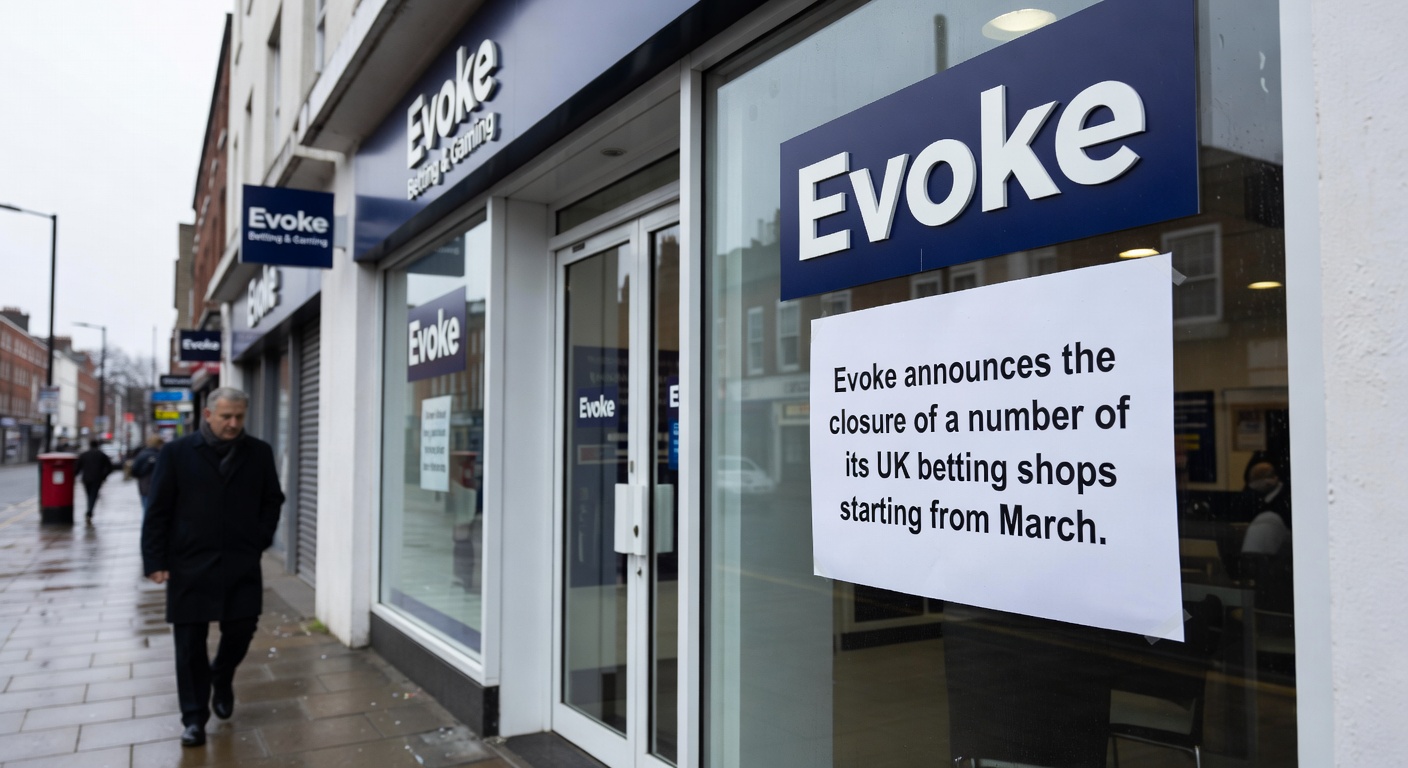
Evoke, the British betting group behind brands like Paddy Power and Betfair, announced plans to shutter around 200 of its UK betting shops starting in May 2026, a move directly tied to escalating operational costs and fresh tax increases hitting the gambling sector hard.
The Details of Evoke's Announcement
Bloomberg News first reported the decision, with Reuters confirming that Evoke aims to streamline its physical footprint amid mounting financial strains; those shops represent a significant slice of its roughly 1,000 UK locations, and the closures will unfold gradually from May onward, allowing time for staff transitions and site wind-downs.
Company statements point to rising cost pressures—like higher energy bills, wage hikes, and maintenance—as key drivers, but the real kicker comes from regulatory shifts, particularly the tax hikes on remote gaming duties set to bite starting April 1, 2026; these changes, which bump rates on online gross gambling yield, indirectly squeeze land-based operations too, since many firms like Evoke balance both arms of the business.
Why Costs Are Piling Up for Betting Shops
Physical betting shops face a perfect storm these days, where rent on high streets keeps climbing even as foot traffic dwindles, and staffing becomes pricier with minimum wage pushes and labor shortages; add in energy costs that spiked post-global disruptions, and margins shrink fast, especially when punters increasingly tap apps from their sofas rather than trekking to a shop.
Evoke's case underscores this squeeze: data from industry trackers shows UK betting shop gross gambling yield dipped 7% in recent quarters, while online segments surged ahead, pulling resources toward digital platforms that don't need prime real estate or round-the-clock counter staff. But here's the thing—those tax hikes on remote gaming, landing right before the closures ramp up, amplify the pain by hiking duties on the very online revenue firms like Evoke count on to offset shop losses.
Observers note how such decisions ripple through local economies; one expert tracking high street retail shifts observed that betting shops, once community staples, now symbolize broader declines in physical leisure spending, with closures freeing up space for cafes or gyms that better match modern habits.
Tax Hikes and Regulatory Pressures in Focus
The April 1, 2026, remote gaming duty increase—jumping rates to better capture online booms—marks a pivotal moment, as CDC Gaming reports warn of a spiral effect where higher taxes curb operator profits, prompting cuts elsewhere like shop networks; for Evoke, this means reallocating capital to bolster its stronger online and retail hybrid model, where apps and websites now drive the bulk of activity.
Yet regulations don't stop at taxes—ongoing affordability checks and stake limits, while aimed at player protection, add compliance burdens that hit smaller shop operations hardest, since digital scales compliance across millions of users more efficiently than individual counter visits. Turns out, firms adapting quickest blend both worlds, but for pure land-based plays, the writing's on the wall.
Evoke's Broader Strategy and Industry Parallels
Evoke isn't flying blind here; the group, listed on the London Stock Exchange, has long eyed digital transformation, with Paddy Power's app leading mobile wagers and Betfair's exchange thriving on exchange bets that shops can't match. Closures align with this pivot—expect job redeployments to call centers or tech support, and perhaps tech upgrades in surviving shops to lure hybrid visitors who browse online but cash out in person.
Similar patterns emerge elsewhere: William Hill shuttered hundreds in prior years, citing the same online exodus, while Australia's land-based clubs report parallel woes per studies from the University of Sydney's gambling research unit, where venue operators grapple with regulatory taxes mirroring the UK's remote hikes; even in Canada, Ontario's iGaming rollout pulled bettors from tracks and shops, showing how global trends favor screens over counters.
What's interesting is how Evoke times this—May 2026 gives breathing room post-April taxes, letting the firm absorb initial hits while scouting redundancies; staff consultations kick off soon, per union reports, ensuring orderly exits with retraining packages that could steer workers toward booming online support roles.
Effects on Jobs, High Streets, and Punters
Around 1,000 jobs hang in the balance across those 200 sites, though Evoke pledges redeployment where possible, recognizing that betting shop workers—often long-timers with local ties—face tough transitions in areas where alternatives are scarce; high streets, already battered by chain pullouts, lose another anchor, potentially denting footfall for nearby pubs or chip shops that relied on post-race crowds.
For punters, the shift means fewer walk-in spots for quick flutters or social bets, pushing more toward apps with their live streams and cashouts; data indicates 70% of UK gambling now happens online, so avid users barely blink, but casual high street habitués might feel the pinch, especially older demographics less comfy with smartphones.
And while closures trim costs, surviving shops could see upgrades—think faster WiFi for in-play syncing or loyalty kiosks tying physical visits to online accounts, a tactic that's kept some independents afloat amid the exodus.
Looking Ahead: Online's Dominance and Shop Evolution
By 2026's end, Evoke's network slims to under 800 shops, but its online gross yield—projected to climb despite taxes—positions the firm for growth; industry forecasts from the European Gaming and Betting Association peg UK online revenue at £10 billion annually by 2027, dwarfing land-based takes and underscoring why closures feel inevitable.
So firms like Evoke bet big on tech integrations, where AR previews or VR tables bridge physical and digital, keeping a toehold in high streets while revenue flows from servers; it's not rocket science, but execution matters, especially as competitors consolidate too.
People who've watched these cycles know shop survivors often thrive as community hubs—hosting watch parties or charity events—turning losses into localized loyalty that apps can't replicate fully.
Wrapping Up the Evoke Closures Story
Evoke's plan to axe 200 UK betting shops from May 2026 captures a sector in flux, where cost crunches and April's tax hikes force hard choices favoring online muscle over high street muscle; the move trims fat, safeguards profits, and mirrors global drifts toward digital wagering, leaving room for evolved physical venues to carve niches amid the change.
Stakeholders—from staff eyeing new paths to punters adapting apps—navigate this pivot, while the industry as a whole eyes how taxes reshape landscapes; for now, Evoke leads the charge, proving adaptation beats stagnation when pressures mount.