Digital Wallets Bridge Mobile Sports Bets and Casino Tables for Stacked Rewards
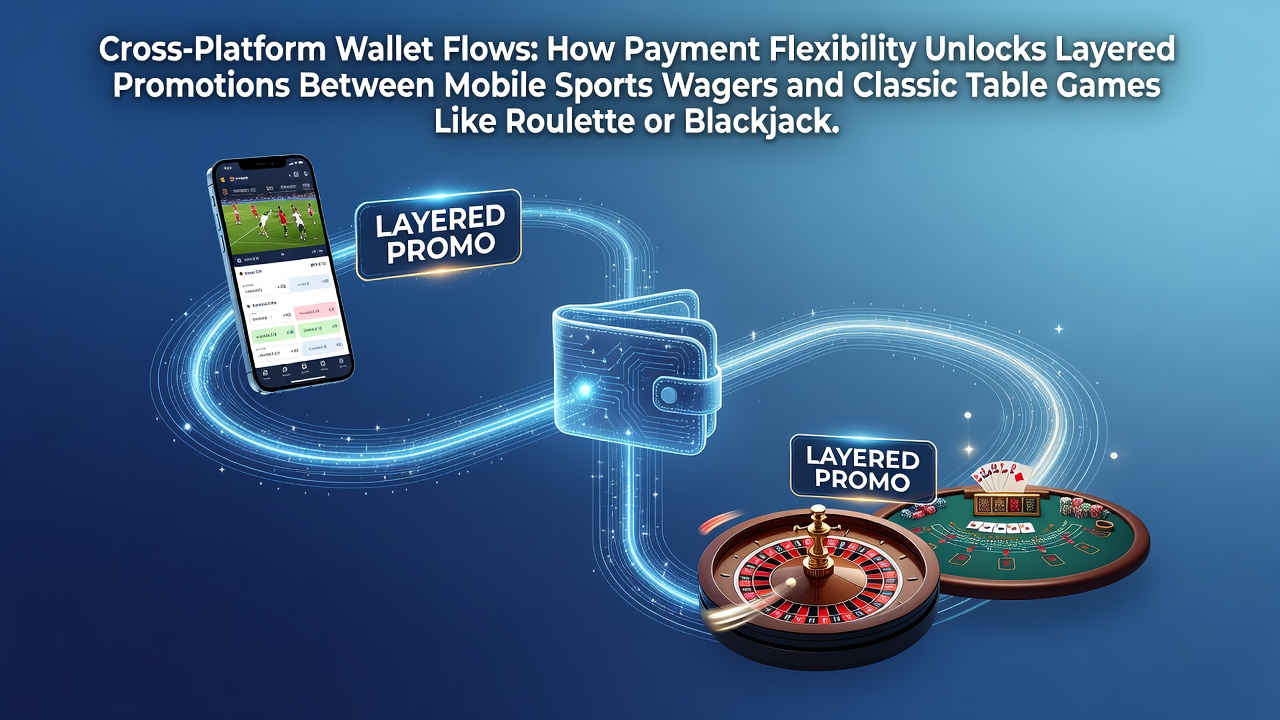
Payment systems now allow users to move funds between mobile sports platforms and classic table game environments without friction, which creates opportunities for layered promotions that combine wagers on live events with spins on roulette or decisions at blackjack tables. These flows rely on integrated digital wallets that support instant transfers while tracking activity across categories, and operators have expanded such features steadily through mid-2026.
Wallet Architecture Enables Continuous Play Cycles
Modern wallet solutions connect sports betting apps directly to casino interfaces so that a user finishing a live football bet can shift remaining balance into a roulette session within seconds, and the same balance can return to sports markets afterward without separate deposits. This architecture records each transfer with timestamps and category tags, which lets platforms apply multi-tier bonuses automatically when activity meets combined thresholds across both verticals. Observers note that seamless connectivity reduces drop-off between game types and encourages longer engagement periods because funds remain available without repeated verification steps.
Layered Promotions Tie Sports Outcomes to Table Game Incentives
Operators structure promotions that activate when a sports wager reaches a certain stake and then carries over into table play, such as a matched deposit that unlocks after a basketball bet settles and the user places a minimum blackjack hand within the same session. Data from industry reports shows these stacked offers increase cross-category participation because the wallet tracks qualifying actions automatically and applies rewards without manual claims. One study from the University of Nevada's gaming research center found that platforms offering such linked incentives recorded higher retention rates in both sports and table segments compared with standalone promotions.
Users often encounter bonuses that multiply when a sports payout feeds directly into a roulette round, for instance a cashback percentage that doubles if the transferred amount is wagered on red or black within a set time window. These mechanics depend on real-time balance visibility across apps, which wallet providers maintain through API connections that update every few seconds during active periods. Researchers at European institutions have documented similar patterns where linked rewards drive measurable shifts in play distribution between mobile sports and traditional table offerings.
Regulatory Frameworks Shape Implementation Across Regions
Authorities in multiple jurisdictions require clear separation of funds while permitting shared wallet infrastructure, so operators must maintain audit trails that distinguish sports balances from casino balances even as transfers occur. The European Gaming and Betting Association has published guidelines that address how such systems comply with consumer protection standards, and several member companies adopted enhanced logging protocols by June 2026 to meet updated transparency expectations. These rules ensure promotions remain tied to actual activity rather than artificial fund movements, which maintains integrity while still allowing layered rewards to function smoothly.
Practical Examples of Cross-Vertical Flows in Action
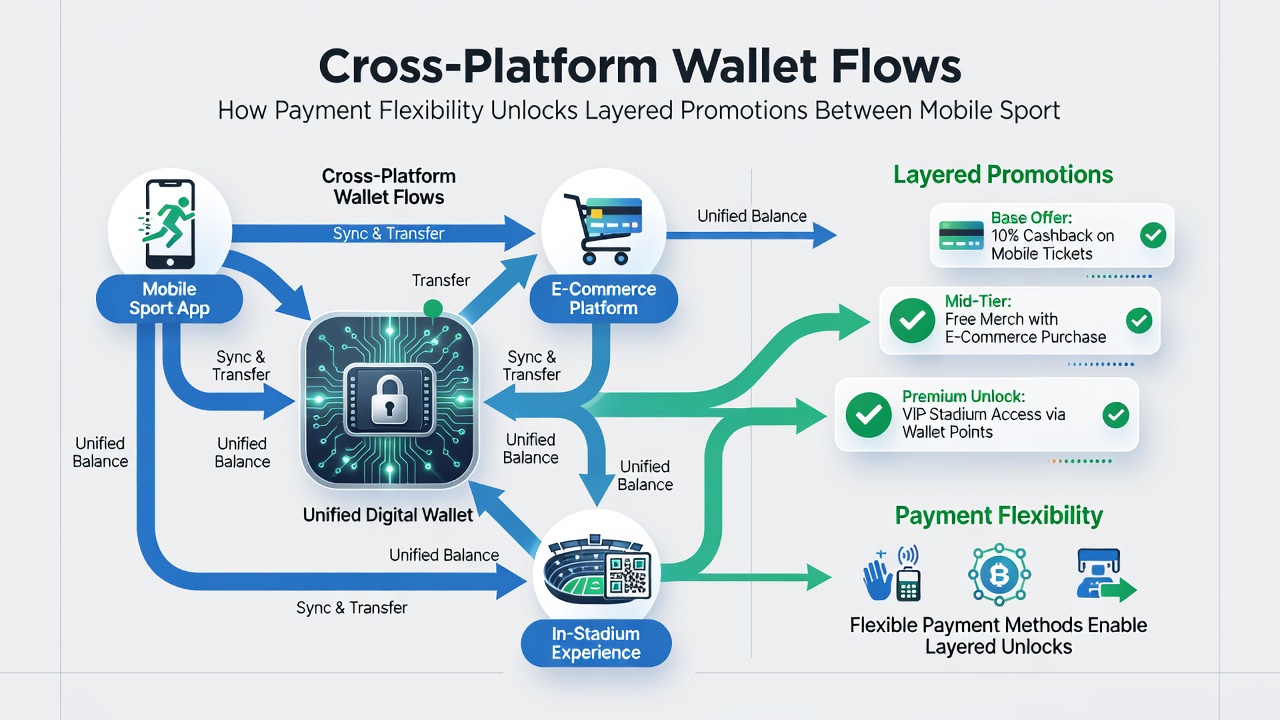
Consider a scenario where a user places an in-play tennis stake through a mobile app, receives a win that lands in the shared wallet, and then applies part of that amount to a blackjack table with an attached multiplier bonus that only triggers because the funds originated from the sports side. Platforms record the origin category so the promotion engine can apply the correct reward layer without user intervention, and similar sequences appear across roulette sessions that follow live event outcomes. Industry analyses indicate that such sequences occur more frequently when wallet interfaces display unified balances with category breakdowns visible at every step.
Additional cases involve cashback programs that calculate returns based on total volume across sports and tables within a single wallet cycle, rewarding users who alternate between live wagers and dealer games rather than remaining in one category. These programs rely on the same transfer mechanisms that keep funds liquid, and operators have reported consistent uptake when the interface highlights potential stacked rewards before each move. Data indicates that players using these flows complete more transactions per session on average than those limited to single-category wallets.
Conclusion
Cross-platform wallet connectivity continues to support layered promotions by allowing smooth movement of funds between mobile sports wagers and table games such as roulette or blackjack, with tracking systems that apply rewards automatically across categories. Implementation follows established regulatory guidelines that preserve fund separation while enabling combined activity tracking, and available data through June 2026 shows measurable increases in cross-vertical participation where these systems operate. Operators maintain the necessary infrastructure through API integrations that update balances in real time, which sustains the promotional layers without additional steps for users.